
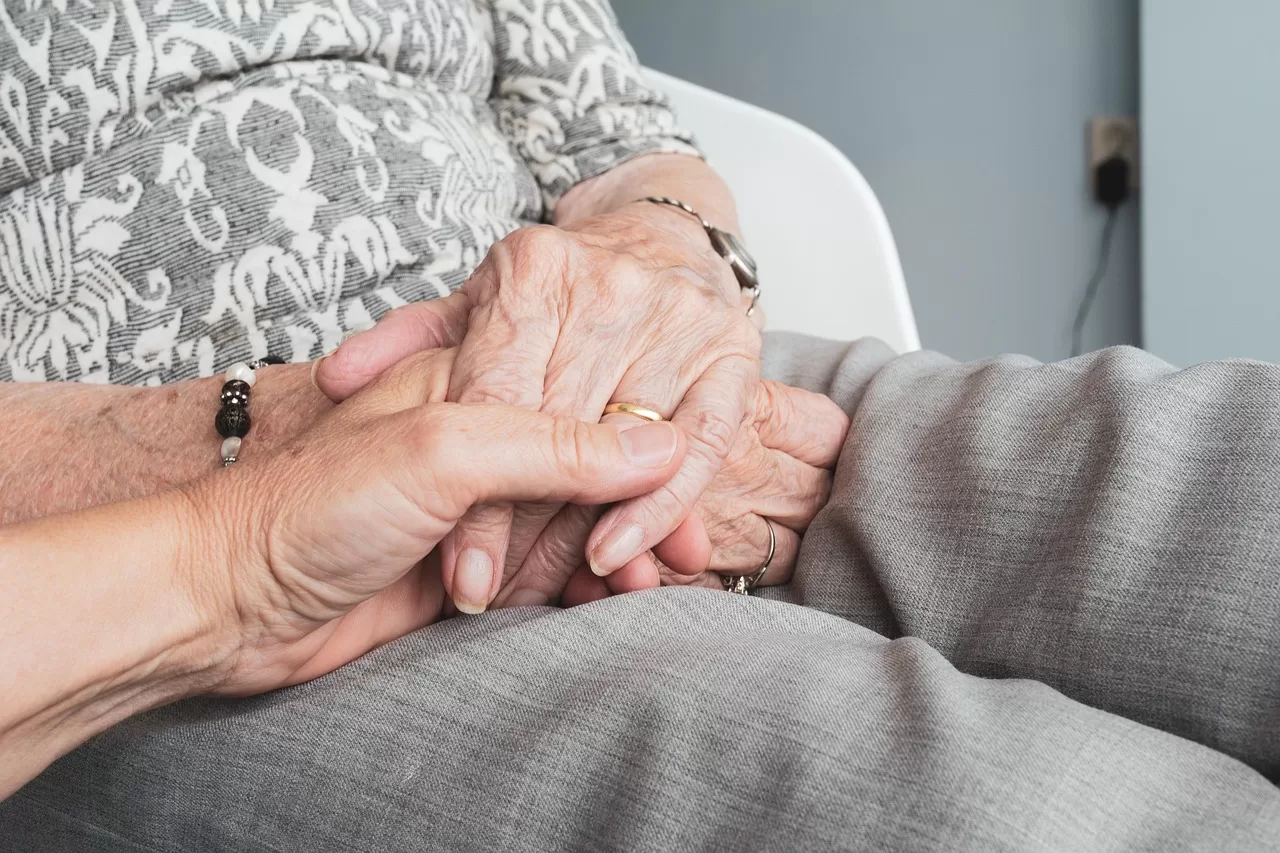
I never imagined that the final phase of my life would feel like this: guilt instead of dignity, chaos instead of care. I am in the early stages of a chronic illness, and already my family is being swallowed whole by a system that doesn’t exist.
They are not just “caring about” me anymore. They are “caring for” me — forced to take on responsibilities that should belong to trained professionals. And I am left to watch them struggle, resent, and exhaust themselves until love feels more like labor.
An Un-System That Breaks Families
How can this be happening in America, the wealthiest nation in the world? We built systems for finance, trade, and communications. Yet for aging, chronic illness, and disability, we created a patchwork welfare construct in the 1980s and never modernized it.
Doctors tell us to “go to the ER.” Insurance companies block access until conditions worsen. Agencies act as payroll processors — onboarding workers with fingerprints and a multiple-choice test, then sending them into homes without professional training or accountability.
And who manages it all? Families. Unpaid, untrained, and unprepared.
I see it every day: my daughter’s career stalling under the weight of managing my appointments, workers, and insurance claims; my grandchildren losing their time with me because their parents are buried in caregiving logistics. This is not family life. This is survival theater.
The Human Cost All Around Me
It’s not only my health at stake. I can see the toll spreading like cracks in glass across everyone around me.
- Health: My loved ones are running themselves down — sleepless nights, stress-induced illness, and no time to recover.
- Career identity: Promotions delayed, projects dropped, reputations damaged because “care” keeps colliding with work.
- Income: Missed hours, lost wages, and savings drained to cover gaps in care. The financial hit compounds year after year.
- Relationships: Love strained into duty. Resentment creeping into places where joy and connection should live.
This is not just my burden. It is the dismantling of my family’s health, stability, and future — because a system has offloaded professional responsibility onto them without choice.
The Disrespected Direct Care Workforce
The workers who come to my home deserve medals. Instead, they get poverty wages, no career path, and no respect. Many are more skilled than their titles suggest, handling memory care, wound care, diabetes monitoring, and mobility transfers with almost no formal training or recognition.
Their “onboarding” was a multiple-choice test, fingerprinting, and a payroll form. That’s it. No performance program. No recognition. No bonus system. No dignity. And then they’re sent into my life, expected to coordinate with families who themselves have no training.
We’re all improvising in a play that has no script — and the curtain is falling fast.
The Numbers Don’t Lie
- Employers lose $644 billion annually in productivity and health costs tied to care-impacted employees.
- Families contribute another $600 billion in unpaid labor every year.
- Agencies lose $4,000–$6,000 per worker in churn.
Together, that’s a $1.24 trillion annual drag on the U.S. economy. A shadow industry created not by accident, but by policy. And it is corrosive, unsustainable, and invisible.
Families aren’t trained managers. Agencies aren’t true workforce developers. And workers aren’t given respect, training, or career growth. Everyone is carrying the weight of a system that doesn’t exist.
What Must Change — Government, Employers, Communities
Government must stop treating care as welfare. It must:
- Build standards and governance for direct care — as we did for finance, logistics, and communications.
- Tie funding to workforce quality and stability, not just cost containment.
- Measure dignity, continuity, and family stability as national outcomes.
Employers must recognize caregiving as a structural employment issue, not a “personal problem.” They must:
- Protect career continuity for employees with care duties.
- Invest in solutions like Care Hubs, concierge services, and flexible work tied to performance metrics.
- Recognize that ignoring the issue silently taxes their own workforce and bottom line.
Communities must provide accessible, reliable supports. That means:
- Transportation services that work with families, not against them.
- Local care hubs that connect healthcare, social services, and technology in one place.
- Peer networks that fight isolation and strengthen resilience.
My Five Wishes for America
1.Stop forcing families into a welfare construct. Care isn’t charity. It isn’t “community service.” It’s a structural part of the labor market and should be managed with the same seriousness as logistics, banking, or technology.
2.Professionalize direct care. Workers should have training, recognition, and pay that reflect the real responsibilities they carry. Agencies should be more than payroll processors — they should be workforce developers.
3.Give families back their relationships. My daughter should get to be my daughter, not my unpaid nurse, scheduler, and benefits manager. Families need one point of access — a system that integrates scheduling, transportation, insurance, and care delivery.
4.Measure dignity, not just dollars. The success of a nation should be judged by how it treats people in aging and disability, not by how much it contains costs. Quality of life, continuity of work, and stability of families are the true metrics.
5.Build a Work–Life–Care Compact. Business leaders, not just policymakers, must design a system where employees aren’t punished for having aging parents, where workers are valued for their skill, and where people like me can age without watching our families collapse.
Conclusion
Right now, I spend my days with a pit in my stomach — not because of my illness, but because I see what it’s doing to my family. We are supposed to be living out love, connection, and shared memories. Instead, they are exhausted, resentful, and stretched past breaking.
This is not care. This is survival theater. And it is not sustainable.
If nothing changes, millions of people like me — Baby Boomers, people with disabilities, solo agers — will spend their last years not in peace, but in guilt, watching the people we love pay the price for a system that never existed in the first place.
America can do better. We must do better.